Biohazard Cleanup
Contaminated materials removed, surfaces disinfected, odor treated and waste hauled away from your property.
Learn more →New Jersey · Monmouth County
Found a biohazard problem in Red Bank, NJ? Call (877) 812-4220 and describe what happened. You get biohazard removal, decontamination and odor control, and the steps and the cost range are explained once the details are known.
If anyone is in danger, call 911 first. For a suicide crisis, call or text 988.
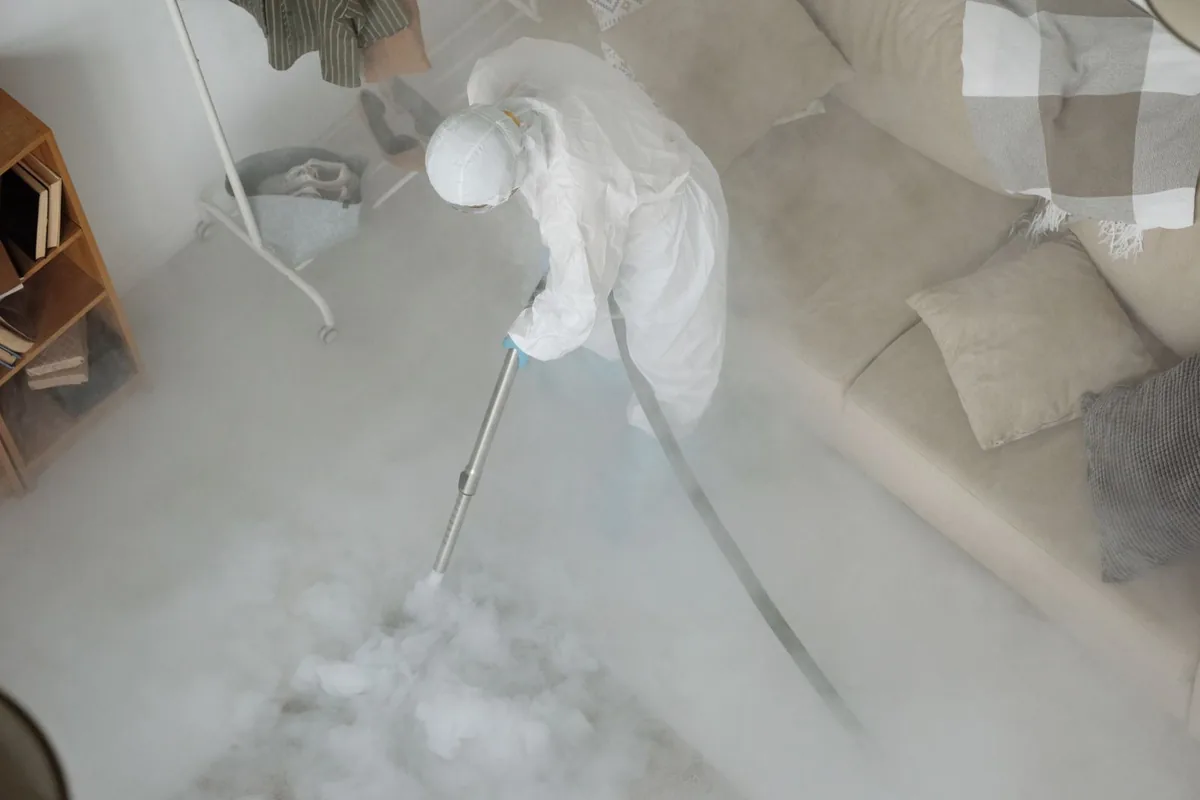
Cleaning up biohazard material is regulated work with real health risks, because blood and bodily fluids can carry bloodborne pathogens. If it happens, Red Bank families and businesses can call Red Bank Biohazard Cleanup Help for local biohazard cleanup.
Calls are answered day and night, and crews arrive in unmarked vehicles so the work stays private. The cleanup team seals off the area, removes what cannot be saved, disinfects what can and carries away the waste. Service covers Red Bank and nearby communities such as Fairview and Shrewsbury.
The census figure for older adults living alone in Red Bank is 52%, above the New Jersey average. When someone lives alone, a death can go unnoticed for days, and unattended death cleanup follows. Renters live in about 50% of homes in Red Bank, so landlords and property managers often need to get cleanup done and sort out who pays with tenants and insurers.
Infectious materials call for infection control, not just cleaning. Biohazard remediation crews use respirators, gloves and disposable coveralls under the OSHA Bloodborne Pathogens Standard (29 CFR 1910.1030), then bag every contaminated item for proper disposal.
Real decontamination reaches what the eye cannot see. Fluids travel under flooring and into baseboards, so crews check beneath and behind surfaces, remove affected materials and disinfect the exposed area before odor treatment begins.
Every biohazard removal service below is available 24/7 to property owners, landlords and businesses in Red Bank and the surrounding areas of Monmouth County.
Contaminated materials removed, surfaces disinfected, odor treated and waste hauled away from your property.
Learn more →Discreet forensic cleaning for homes, rentals, businesses and vehicles, with odor removal and waste disposal.
Learn more →Contaminated carpet, drywall and debris removed, with every affected surface disinfected and inspected.
Learn more →Removal of soaked materials, safe waste hauling and deodorizing after a delayed discovery.
Learn more →Professional suicide cleaning services that spare relatives and landlords from the hardest part.
Learn more →Homicide cleaners remove contaminated materials, disinfect every affected surface and prepare records for insurers.
Learn more →Dried and set-in blood lifted from tile, wood and fabric, with odor treated once the cleanup is done.
Learn more →Soaked carpet, mattresses and furniture removed, and affected surfaces sanitized after a fluid release.
Learn more →Human feces removal with protective gear, EPA-registered disinfectants and sealed disposal of contaminated waste.
Learn more →Thorough deodorizing after a death, with the air and structure checked room by room.
Learn more →Hoarding cleanup done at the resident's pace, with valuables and papers kept safe.
Learn more →Hoarding removal with protective gear, safe lifting and correct disposal of waste.
Learn more →Animal hoarding cleanup with protective gear, soaked flooring removal and thorough sanitizing.
Learn more →Squalor cleanup that removes filth, waste and spoiled food, then scrubs and disinfects every room.
Learn more →Category 3 cleanup with protective gear, sealed disposal and EPA-registered disinfectants.
Learn more →Infectious disease disinfection for homes and businesses, using EPA-registered products matched to the germ.
Learn more →Cleaning first, disinfecting second: a careful process that targets the germs, not only the stain.
Learn more →Safe collection of used needles, syringes and contaminated supplies, with proper containers and transport.
Learn more →Sharps cleanup with protective gear, puncture-resistant containers and proper medical waste disposal.
Learn more →Safe removal of sharps and drug use items, with disinfection and odor treatment afterward.
Learn more →Drug lab decontamination with sampling before and after, once law enforcement releases the site.
Learn more →Decontamination for rentals, motels, offices and vehicles after drug incidents and responder visits.
Learn more →Chemical spill cleanup with containment, decontamination and records for insurers, buyers and inspectors.
Learn more →Cleanup that begins once responders clear the scene, with records for insurers, owners and inspectors.
Learn more →Careful tear gas removal that protects people and pets and documents the work for insurers.
Learn more →Safe wet-clean removal of mouse and rat droppings, nests and soiled insulation from attics and crawl spaces.
Learn more →Pigeon and bird droppings cleanup on ledges, balconies, warehouses and storefronts.
Learn more →Dead animal odor removal that targets the source of the smell, not just the air.
Learn more →Hazmat car cleaning with protective gear, EPA-registered disinfectants and sealed disposal of contaminated parts.
Learn more →Accident scene cleanup for homes, stores, offices and vehicles, handled quietly with protective gear.
Learn more →Workplace biohazard cleanup that contains the area, removes contamination and documents the work for insurers.
Learn more →Estate cleanout after a death, handled step by step at the family's pace.
Learn more →A technician looks for every source of contamination, including areas the eye misses, such as under flooring and inside vents. The type of biohazard sets the method.
The crew takes photos and notes of the affected areas and the work done. Homeowners insurance companies, landlords and compensation programs often ask for these records.
Soaked materials are removed, then floors, walls, furniture and fixtures are cleaned and treated with hospital-grade disinfectant.
HEPA scrubbers and odor treatment clean the air. A final walkthrough, and ATP testing where it is useful, shows whether anything was missed.
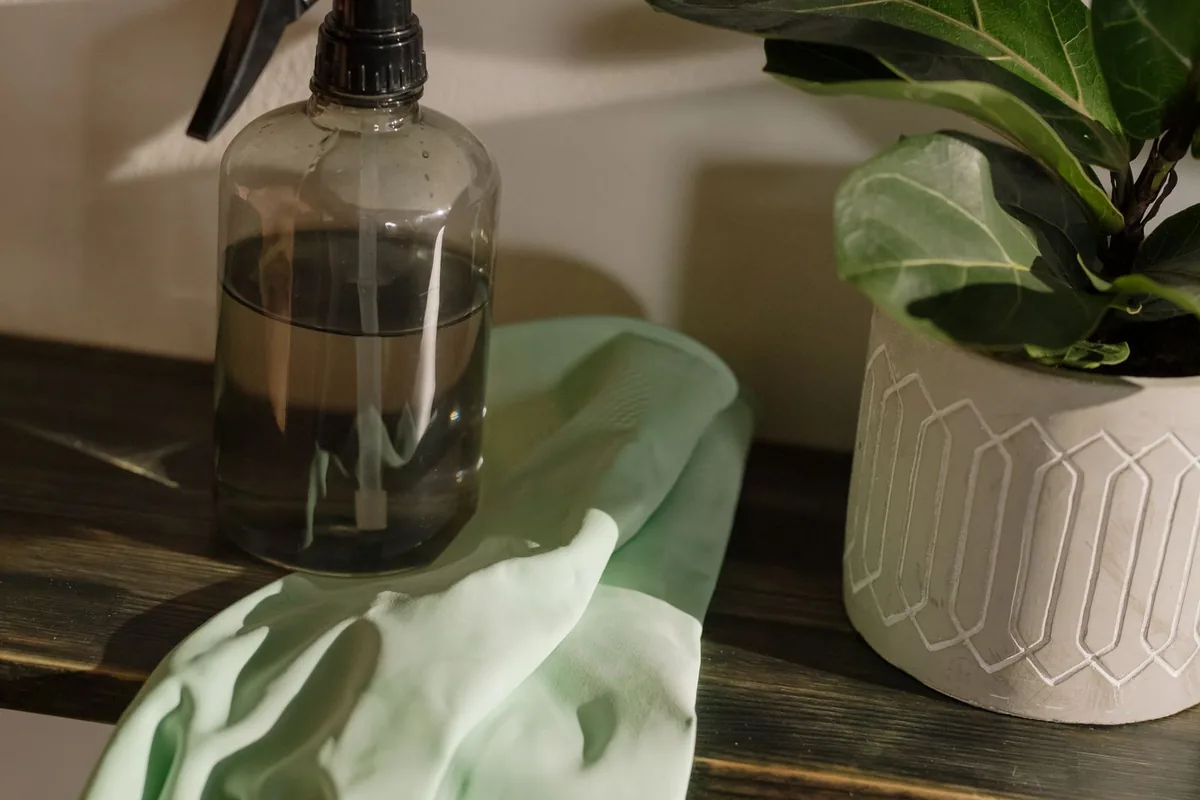
Death odor and sewage smell are treated with air scrubbers and hydroxyl or ozone equipment, not masked with sprays that fade.
Calls are answered day and night. Crews arrive in unmarked vehicles and work quietly, so neighbors are not told what happened.
Local help in Red Bank, Freehold Borough and nearby towns means crews know the area, local police and the way homes in the region are built.
Photos, documents, jewelry and keepsakes are set aside for the family whenever they can be safely saved.
Biohazard cleanup in Red Bank, NJ typically costs $500 to $25,000, depending on the type of biohazard, the size of the affected area and how far fluids soaked into porous materials.
Most residential jobs cost $3,000 to $5,000 (Fixr). Access and building type play a role too. A vehicle, a single bathroom, a rental unit and a large commercial space all call for different crews, equipment and hours.
| Type of job | Typical range |
|---|---|
| Blood spill cleanup, small area | $500 - $2,500 |
| Crime scene cleanup, most homes | $1,500 - $7,500 |
| Unattended death cleanup | $2,000 - $7,000 |
| Suicide cleanup | $1,500 - $5,500 |
| Sewage cleanup, most homes | $2,000 - $10,000 |
| Hoarding cleanup, level 3 home | $2,000 - $5,000 |
| Meth lab cleanup, typical | $15,000 - $20,000 |
Estimates only, not a quote. Sources: Fixr, Yelp Costs, BioCleaners Directory, PushLeads, Dropcurb, Bob Vila and cleanup company cost guides. Call (877) 812-4220 to talk through the job.
Failing septic systems and sewer backups push raw sewage, a Category 3 biohazard, into homes. Sewage cleanup removes contaminated materials and disinfects every surface.
About 52% is the census figure for older adults living alone in Red Bank. When a person dies alone, days may pass before anyone knows, and unattended death cleanup follows.
When a death goes unnoticed for days, decomposition fluids reach flooring and subfloor and the odor spreads. Death cleanup removes the affected materials and treats the odor at the source.
Homes, churches and businesses may need infectious disease disinfection, needle and sharps cleanup, or meth lab and fentanyl decontamination after a property is released.
Hoarder homes can hide rotting food, animal waste, mold and pests, along with fire and structural hazards. Hoarding cleanup sorts belongings and restores a livable condition.
With a vacancy rate of 7% in Monmouth County, empty buildings can collect animal waste, drug paraphernalia and storm damage that nobody sees until later.
The word biohazard covers blood, tissue, decomposition, sharps, waste and some residues. Each carries different health risks, and each calls for its own cleaning and disposal approach.
Describe what happened, where it is, how big the area is and whether police have released the scene. Mention any insurance claim, pets, valuables or access issues. The more detail you share, the clearer the plan and cost range can be.
It is not safe. Household cleaners do not reach blood and fluids that soak into carpet, padding, drywall and subfloor, and there are rules for disposing of biohazardous waste. A professional biohazard cleaner uses PPE, EPA-registered disinfectants and regulated medical waste disposal.
Yes. You can expect unmarked vehicles, quiet work and no discussion of the job with neighbors. Family members are not asked to see or handle anything.
Funeral homes and the authorities remove the person. Biohazard cleaners, also called crime scene cleaners or trauma cleanup crews, clean the property afterwards, including fluids, affected materials and odor.
Biohazard cleanup is the removal, cleaning and disinfection of anything that can spread disease: blood, bodily fluids, tissue, decomposition, human and animal waste, raw sewage, sharps and drug residue. It covers crime scene cleanup, unattended death cleanup, trauma scene cleanup, suicide cleanup, hoarding cleanup and infectious disease disinfection.
Usually it is better not to. The affected area is sealed off, odor and chemicals may be present, and the work is easier to do safely with people and pets elsewhere. The crew can say what is safe for your situation.
Tell the landlord and the renters insurer right away. With renters in about 50% of homes in Red Bank, many rentals have a process for this. The building is usually the owner's job, and belongings may fall under the tenant's policy.
They can. About 80% of homes in Red Bank were built before 1980, and older carpet, subfloor and trim absorb fluids deeply. The crew inspects each home to see how far the contamination went.
Looking for a biohazard cleanup company close to Freehold Borough? You can get crime scene, death and trauma cleanup in Fairview, Shrewsbury and Freehold Borough, as well as around Red Bank. Call Red Bank Biohazard Cleanup Help to ask.
No judgment and no pressure, just a clear plan for the property.
Call (877) 812-4220